Introduction: The Agentic Revolution Begins
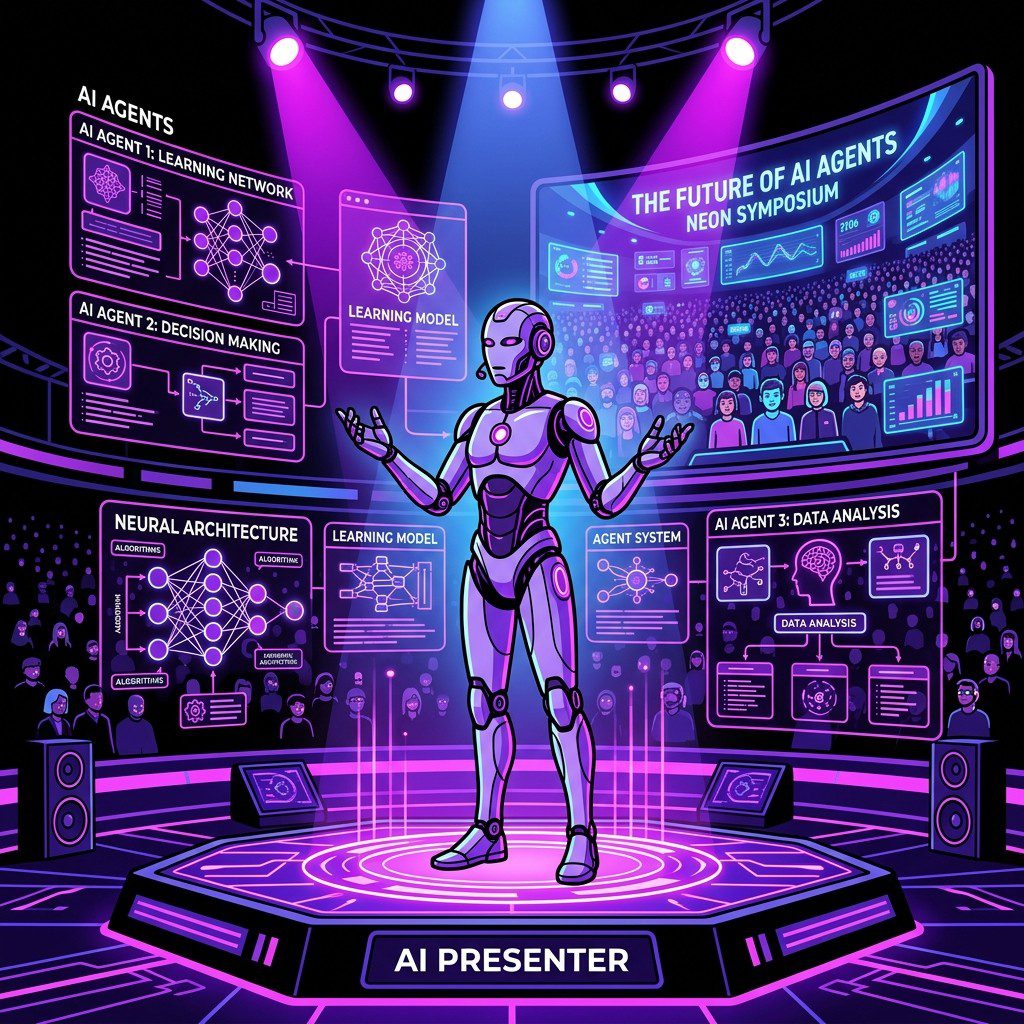
We have just witnessed the total dissolution of Google as a search company. Standing at the Shoreline Amphitheater during Google I/O 2026, Sundar Pichai didn’t just announce updates; he signaled a “25-year overhaul” of the company’s core identity. The shift from “Googling” to “talking to Google” is no longer a marketing slogan—it is a functional reality backed by a staggering $190 billion capital expenditure for 2026. This sixfold investment increase since 2022 represents an infrastructure play of unprecedented scale, aimed at owning the “Agentic Layer” of human existence. For developers and industry leaders navigating the Best AI Tools for Content Creators 2026, the message is clear: Google is moving away from reactive software to proactive, autonomous agents that operate as an intermediary between the user and the digital world. This is not just an evolution of Gemini; it is the birth of a world where AI handles the administrative burden of life so the user doesn’t have to.
Aluminium OS: The Death of ChromeOS and the Birth of a Unified Desktop
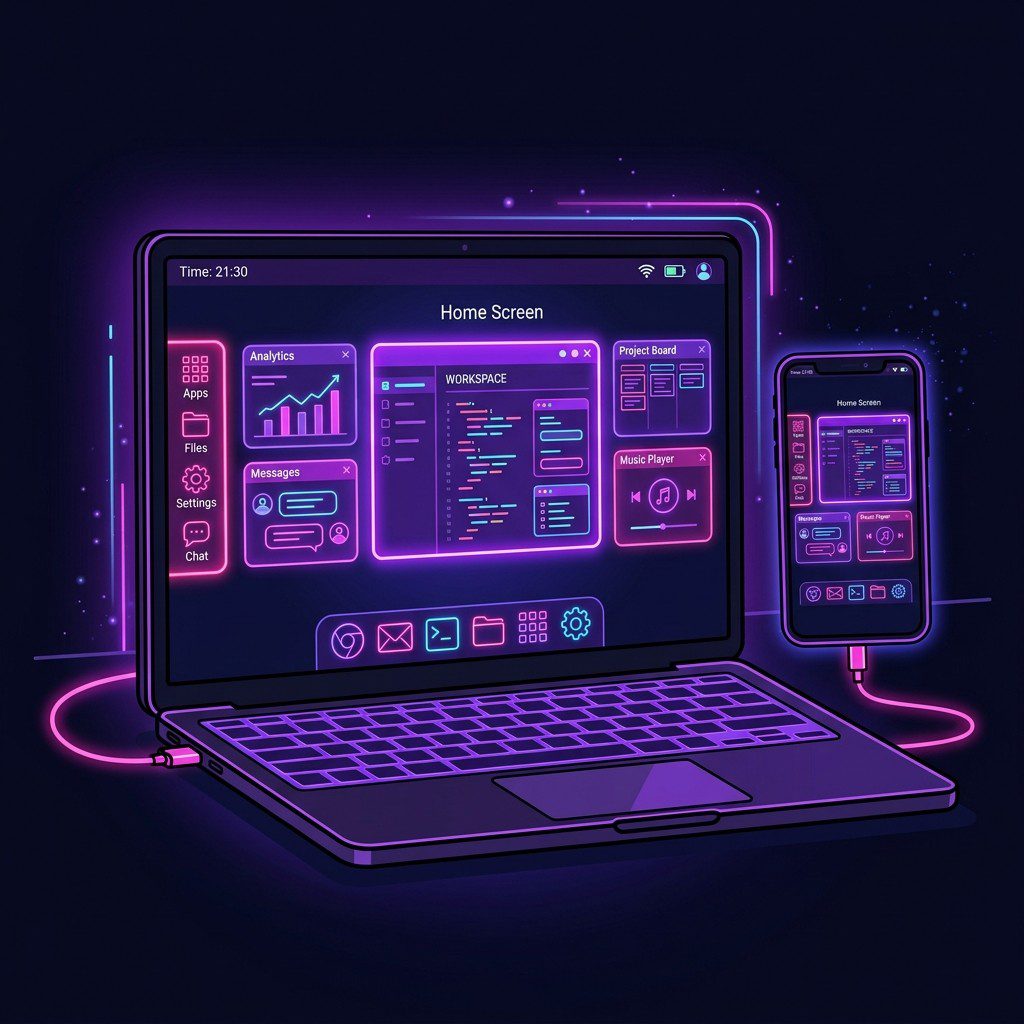
Source: Artimind Studio – Aluminium OS Unified Desktop Interface
The most significant architectural transformation revealed at I/O 2026 is Aluminium OS (internal codename). Google confirmed that ChromeOS will be replaced by this desktop-optimized Android-based operating system. By adapting the Android framework for the desktop, Google is creating a unified platform that maintains the same software core across mobile and Googlebook laptops. Crucially, Aluminium OS is designed to run on both ARM and x86 architectures, marking the first time a mainline version of Android has been maintained for x86. While consumer ChromeOS is being retired, Google will continue supporting ChromeOS Flex and enterprise versions for professional stability. This merger allows for deep Android smartphone integration, including a dedicated taskbar button for accessing apps mirrored directly from a Pixel 10 or Galaxy S26.
Googlebooks and the “Glowbar” Standard
To provide a container for this new OS, Google introduced the Googlebook line—a high-end successor to Chromebook Plus. Manufactured by partners including Dell, ASUS, Lenovo, Acer, and HP, these laptops must meet strict hardware requirements to carry the Googlebook branding. A mandatory feature is the Glowbar, a visual LED indicator that pulses when Gemini is active. The standout software feature is the Magic Pointer (also called the Magic Cue). Users can “wake” the system by simply shaking the cursor, which allows Gemini to contextually select on-screen items. For example, pointing at an email allows the Magic Pointer to extract data for a calendar event, or shaking it over two disparate images allows Gemini to combine them into a single VFX asset.
The Frontier Models: Gemini 3.5 Flash and the World-Model Omni
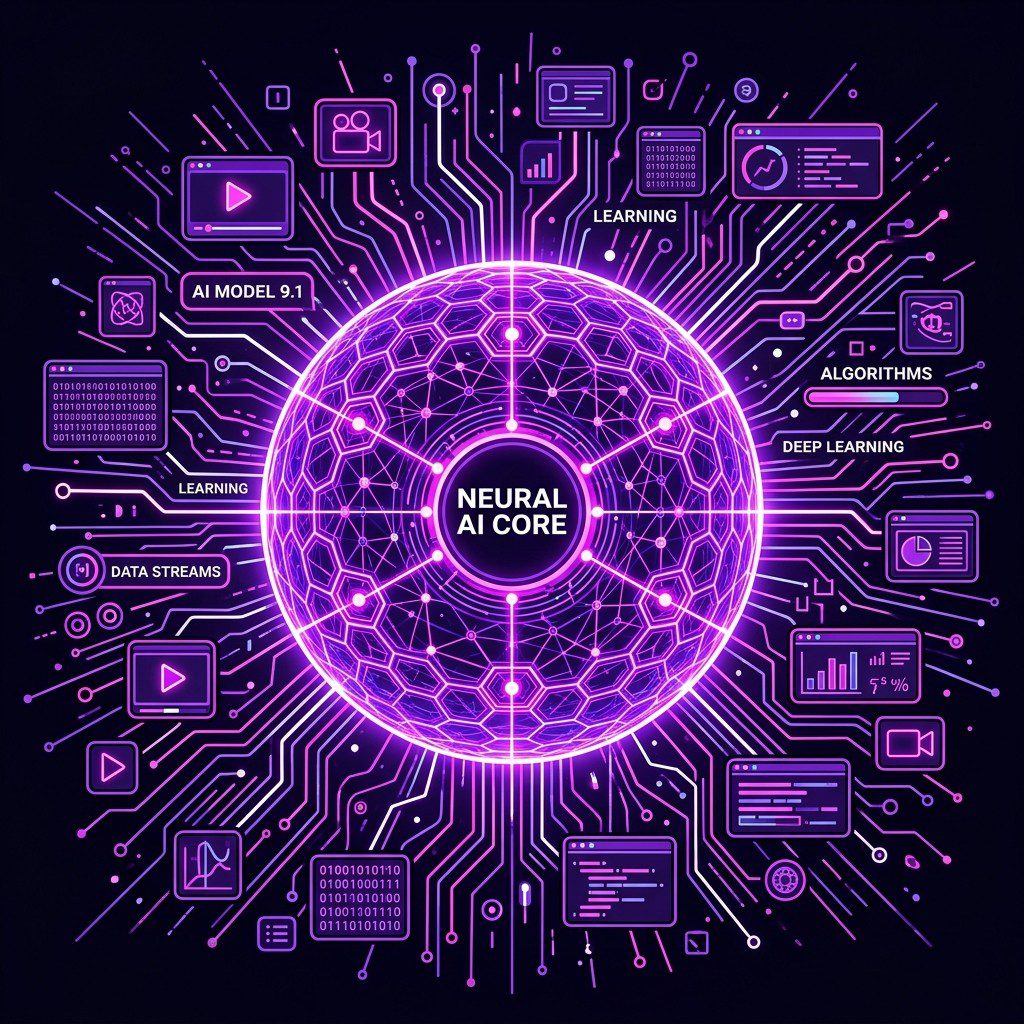
Source: Artimind Studio – Gemini 3.5 & Omni Multimodal Architecture
The intelligence layer of I/O 2026 rests on the Gemini 3.5 family. Demis Hassabis described these models as a “meaningful step toward AGI,” emphasizing their ability to simulate world physics rather than just predicting tokens.
“We are furthering our mission to organize the world’s information and make it universally accessible and useful through a new agentic framework.” — Sundar Pichai
Gemini 3.5 Flash — Speed Over All
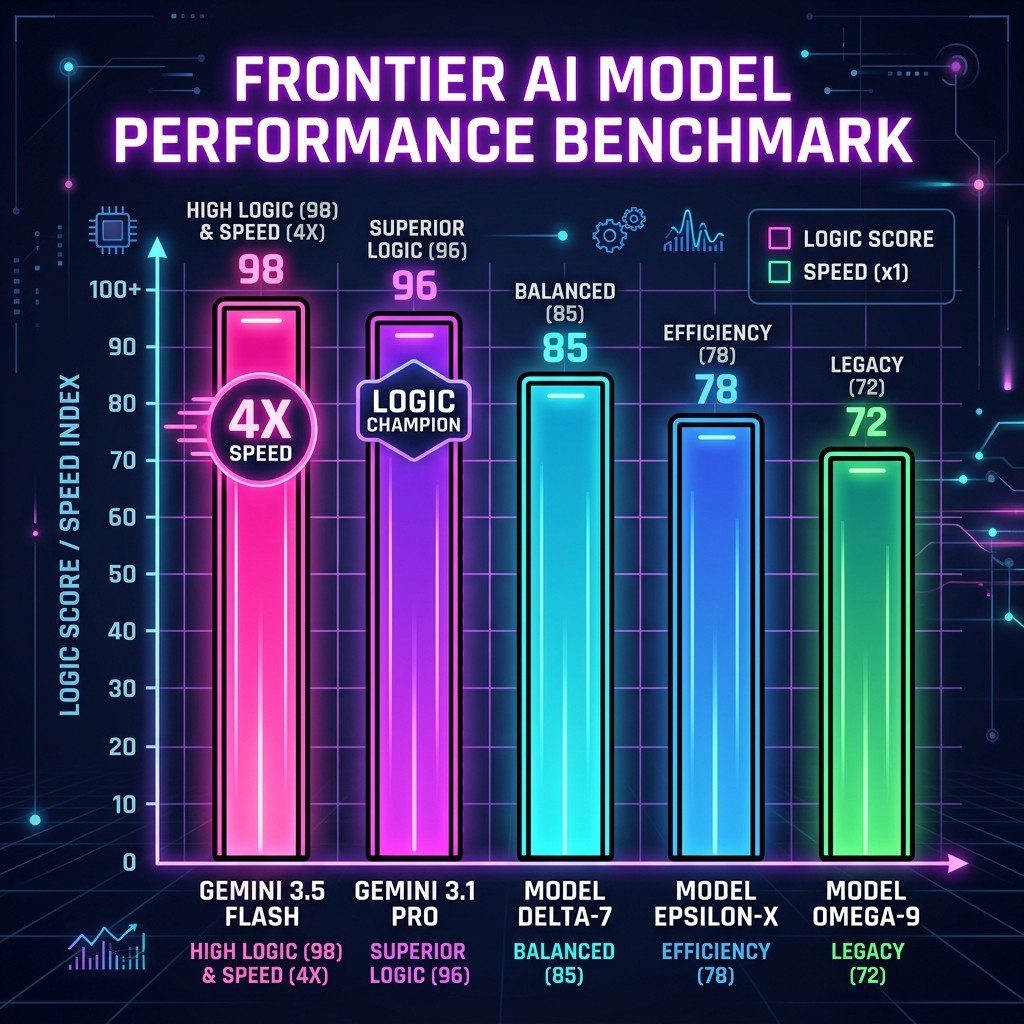
Google Gemini 3.5 Flash logic and speed benchmarks comparison. Source: Artimind Studio.
While Gemini 3.5 Pro is slated for a June release, the current workhorse is Gemini 3.5 Flash. This model is engineered specifically for high-speed, multi-step agentic workflows. According to Google, Gemini 3.5 Flash runs 4x faster than other frontier models and outperforms Gemini 3.1 Pro in most logic benchmarks. This level of efficiency is a direct challenge to the current cost structures of the industry. Developers looking to Reduce Your Claude API Bill by 60% will find Gemini 3.5 Flash to be a formidable alternative, offering high-performance reasoning at a fraction of the latency and cost previously required for complex NLP tasks.
Gemini Omni — Multimodal in Every Direction
The “wow” moment of the keynote was Gemini Omni, a native “world model.” Unlike previous models that stitched together separate encoders, Gemini Omni generates any output from any input. The demo showcased cinematic video generation where Omni could remix a video clip in real-time, changing camera angles or lighting through natural language commands. This model represents Google‘s aggressive move into high-end content creation, a landscape discussed in our Seedance 2.0 Review: ByteDance Just Killed the VFX Industry. Omni‘s ability to maintain “physics-accurate” consistency across video frames suggests it is moving beyond simple pixel generation into true environment simulation.
Building the Agentic Future: Gemini Spark and Managed Agents
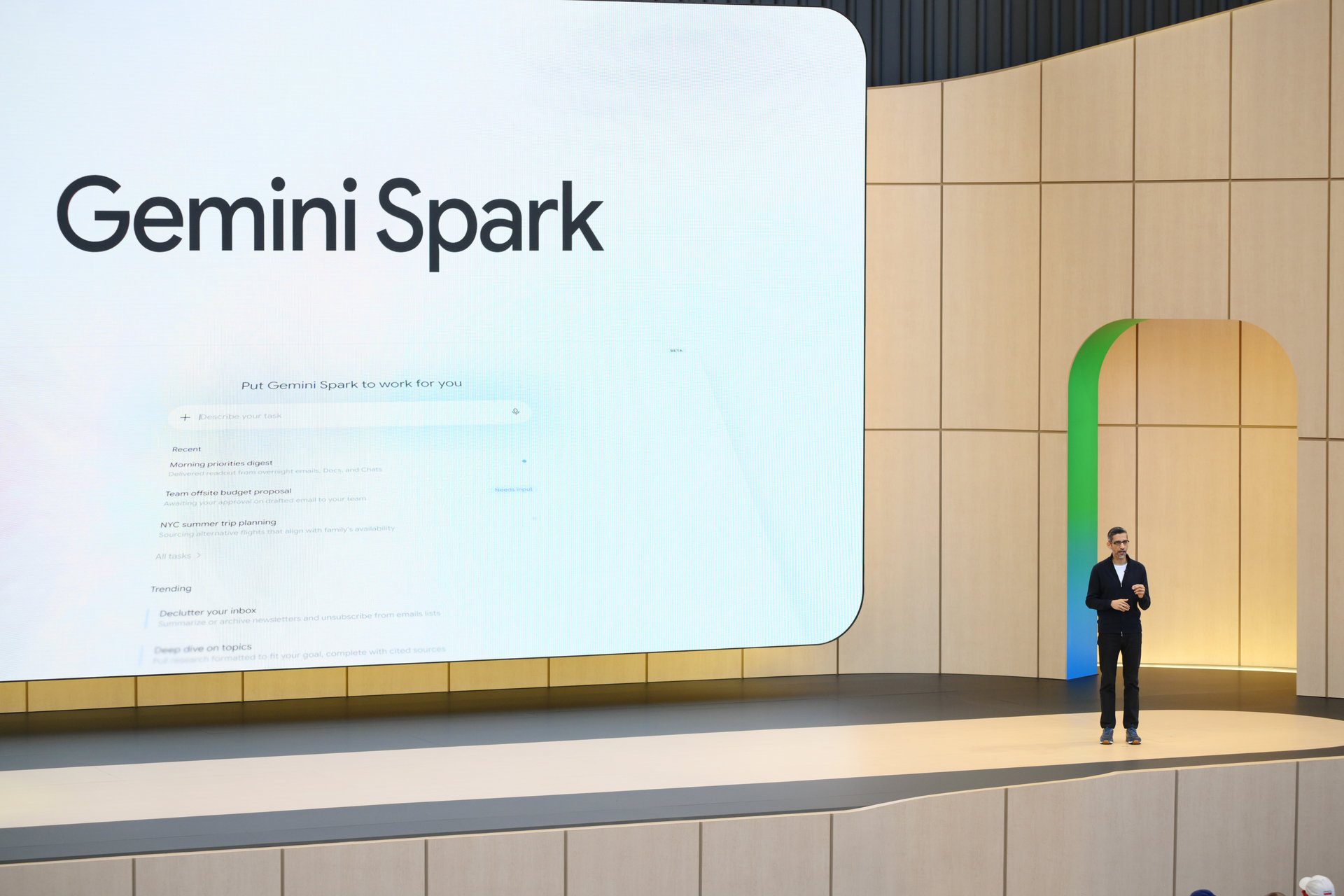
The centerpiece of the keynote was Gemini Spark, Google’s proactive, “always-on” background agent. Unlike traditional chatbots, Gemini Spark monitors your ecosystem—including Gmail, Docs, and Google Calendar—to execute tasks autonomously. It connects to over 30 third-party platforms, such as Uber, OpenTable, Zillow, and Lyft. During a live demo, Spark was tasked with planning a block party; it cross-referenced emails from neighbors, checked Google Calendar for availability, sent invitations via Gmail, and even queued up a catering order. This evolution from a custom assistant to a proactive executor is the logical conclusion of the trends we analyzed in A Deep Dive into Google’s Gemini Gems, where Spark moves from a passive tool to a persistent digital employee.
Technical Deep Dive: The Agent Payments Protocol (AP2)
To solve the “rogue agent” problem in commerce, Google introduced the Agent Payments Protocol (AP2). This protocol creates strict financial guardrails for Gemini Spark. AP2 allows users to set daily spending caps, whitelist specific retailers (like Amazon or Walmart), and restrict purchases to specific categories. Google describes the current state of Spark as a “teenager with their first debit card,” meaning that for now, manual user approval is required for every transaction. As trust is built through the AP2 framework, the system will allow for fully autonomous recurring purchases. Gemini Spark will begin rolling out to AI Ultra subscribers in the U.S. next week.
Search 2.0: The End of the Ten Blue Links
The new AI-powered intelligent search interface announced at I/O 2026. Source: Google.
Google Search is receiving its most symbolic redesign in 25 years. The classic search box has been replaced by an Intelligent AI Search Box that supports natural language and allows users to attach Chrome tabs, images, or files as context. Search Agents can now be deployed to scan the web 24/7 for specific triggers, such as apartment listings in a targeted zip code or limited-edition sneaker drops.
Commerce is also being centralized via the Universal Commerce Protocol (UCP) and Universal Cart. This allows Gemini to aggregate products from Amazon, Target, and Walmart into a single view. The agent can check compatibility—such as ensuring a specific motherboard fits a selected CPU—and flag restock alerts. This transformation of the search funnel is essential for marketing strategists, much like the tactics found in Arcads: Why AI-Generated UGC is the Secret Weapon, as AI agents become the primary curators and gatekeepers of consumer intent.
Developer Ecosystem: Antigravity 2.0 and “Vibe Coding”
For the engineering community, Google Antigravity 2.0 is the most transformative release of the year. This agent-first IDE is designed for “vibe coding”—the ability to generate, test, and deploy entire production-grade applications through conversational prompts. Antigravity 2.0 is now 12x faster than its predecessor and exists as a standalone desktop application capable of orchestrating multiple sub-agents in parallel. Developers can use the Antigravity SDK or CLI to define custom agent behaviors that run on Google Cloud infrastructure.
The Managed Agent API
A significant technical breakthrough is the Managed Agents in the Gemini API. With one API call, developers can spin up an agent that reasons and executes code within an isolated, persistent Linux environment. These environments maintain state between sessions, preserving files and configurations. This allows for far more reliable AI-driven software development. For those building these context-heavy systems, mastering persistent context strategies is vital, as detailed in The Ultimate Claude Code Setup: Integrating Graphify and Obsidian for Infinite Context.
Hardware & Infrastructure: TPUs and Android XR Glasses
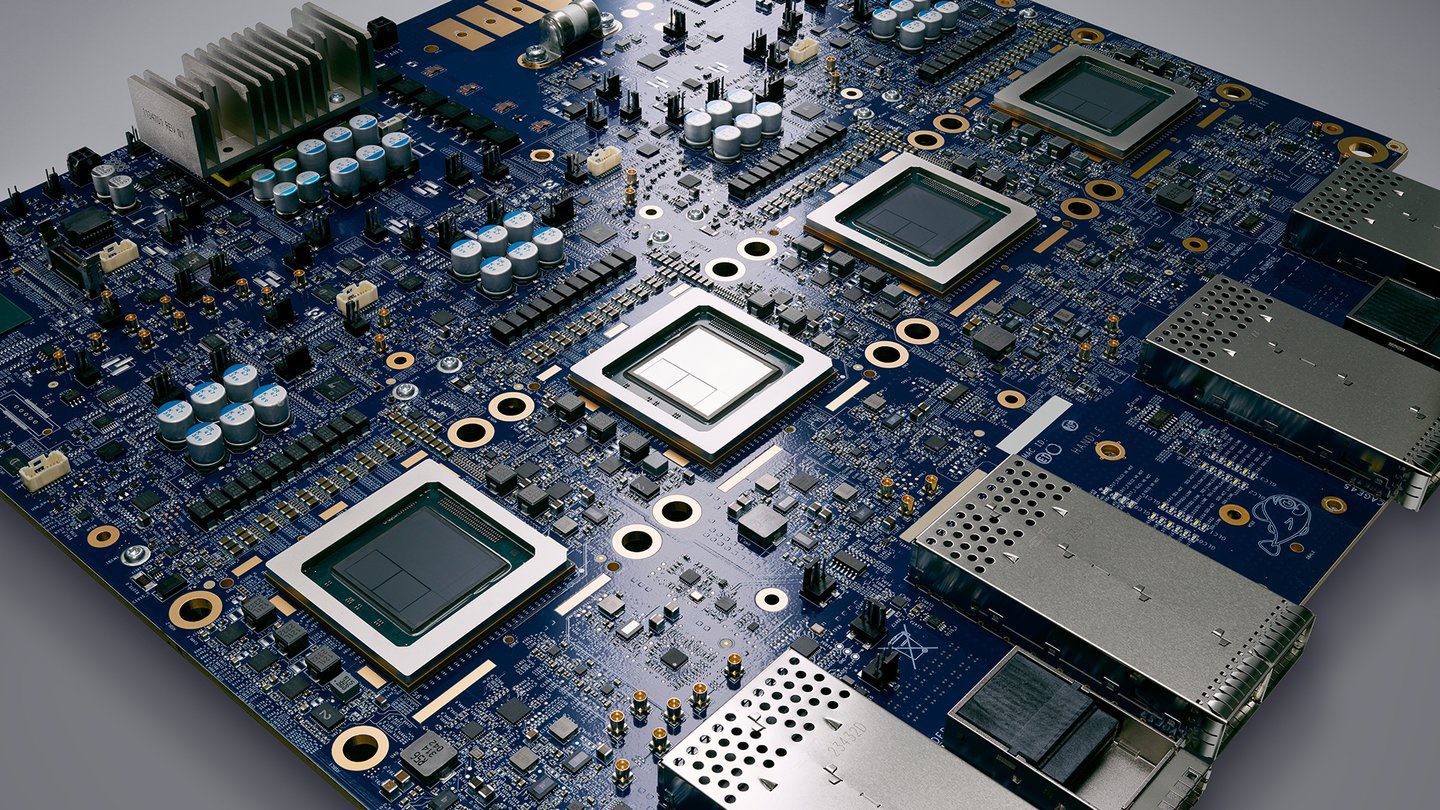
Google sixth-generation Trillium TPU architecture. Source: Google.
Powering this agentic layer is the TPU 8T, Google‘s 8th-generation AI silicon. The TPU 8T is specialized for massive-scale AI pre-training, while its sister chip, the TPU 8i, is optimized for real-time inference. Both chips show massive performance-per-watt gains, which Google claims are necessary to scale their $190 billion infrastructure sustainably while processing the 3.2 quadrillion tokens Gemini handles monthly.
“Audio Glasses” and Smart Eyewear
Google and Samsung provided a first look at Android XR smart glasses. Eschewing the “tech” look, these glasses were designed in collaboration with Gentle Monster and Warby Parker. They look like standard eyewear but feature an “eye-level camera” that allows Gemini to “understand” what the user sees. During a demo, the glasses translated a foreign-language poster in real-time and added a stop for a cold-brew order via DoorDash simply because Gemini remembered the user’s past habits.
Android 17: From Operating System to “Intelligence System”
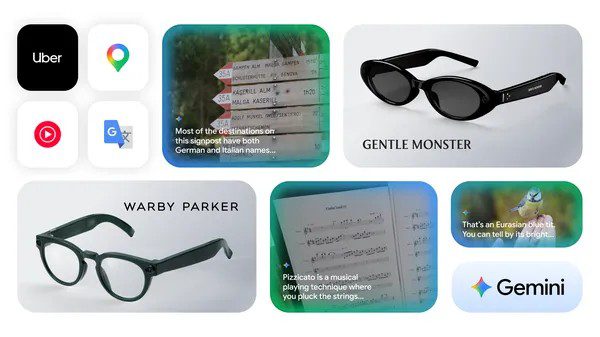
Google and Samsung partner for Android XR smart eyewear. Source: Google.
Android 17 has been officially rebranded as an “Intelligence System.” The UI has been updated with a “frosted” design language that builds upon Material 3 Expressive. Key features include:
- Rambler: An AI-powered Gboard feature that cleans up “ums,” “ahs,” and messy phrasing in real-time speech-to-text.
- Pause Point: A digital wellbeing tool that introduces “breathing timers” or usable alternatives when it detects a user is mindlessly scrolling a distracting app.
- Create My Widget: Users can describe a widget they want, and Gemini Intelligence builds and deploys it instantly.
- Screen Reactions: A tool for creators to record a high-quality overlay of themselves over background content without a green screen.
However, these features require significant horsepower. Google has mandated a hardware floor of 12GB RAM, a “qualified SoC,” and support for Gemini Nano v3. This currently limits the full Android 17 experience to the Pixel 10 and Galaxy S26 series.
Pricing Shakeup and the Token Economy
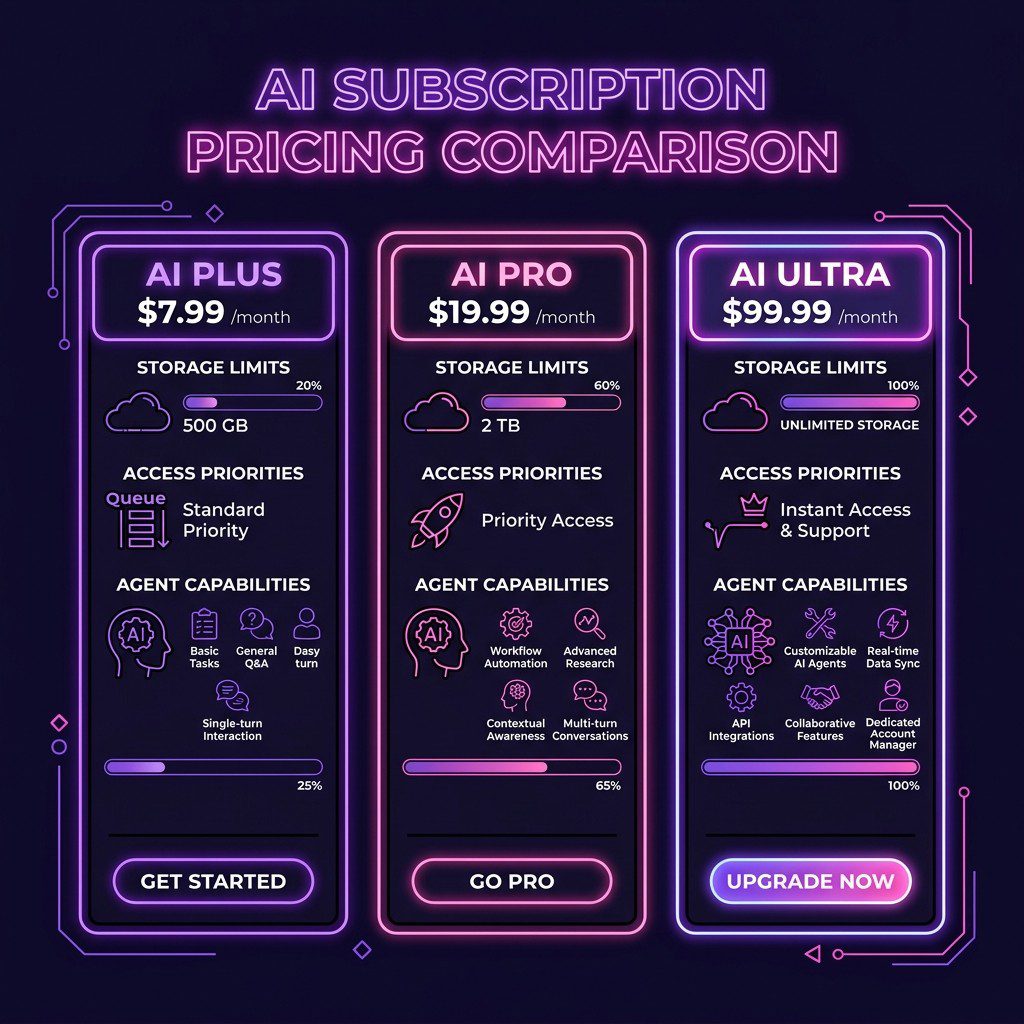
AI Subscription Pricing Tiers and feature breakdown. Source: Artimind Studio.
Google has overhauled its subscription tiers to reflect the new compute-heavy reality of agentic AI. The new monthly structure is as follows:
- AI Plus ($7.99): Basic Gemini access.
- AI Pro ($19.99): Includes YouTube Premium Lite, 5TB of storage, Gmail Live voice search, Google Home Premium, and Google Health Premium.
- AI Ultra ($99.99): Aimed at power users, including 20TB of storage, full YouTube Premium, priority access to Antigravity, and full Gemini Spark autonomous capabilities.
Crucially, AI Ultra limits now refresh every five hours instead of daily. Google is also moving toward Compute-Based Billing, where a simple text query is nearly free, but a complex Gemini Omni video generation task consumes more of a user’s compute quota. For those managing heavy API usage, check out Reduce AI Token Costs: How to Use Obsidian as a Persistent Context for Clude Code to optimize spending.
Conclusion: Standing at the Foothills of the Singularity
Google I/O 2026 confirms that the era of reactive tools is over. By owning the stack from TPU 8T silicon up to the Aluminium OS interface, Google is positioning itself as the autonomous agentic layer for human life. The convenience is undeniable, but we are effectively trading privacy for a seamless existence. As Gemini Spark begins to manage our calendars, our wallets, and our daily commutes, the risk of corporate-controlled data integration becomes a central concern. The importance of security cannot be overstated, especially in light of recent industry vulnerabilities like The Claude Code Leak: What We Learned from Anthropic’s NPM Packaging Error. Google is betting $190 billion that you are ready to stop searching and start letting their agents handle the rest.